
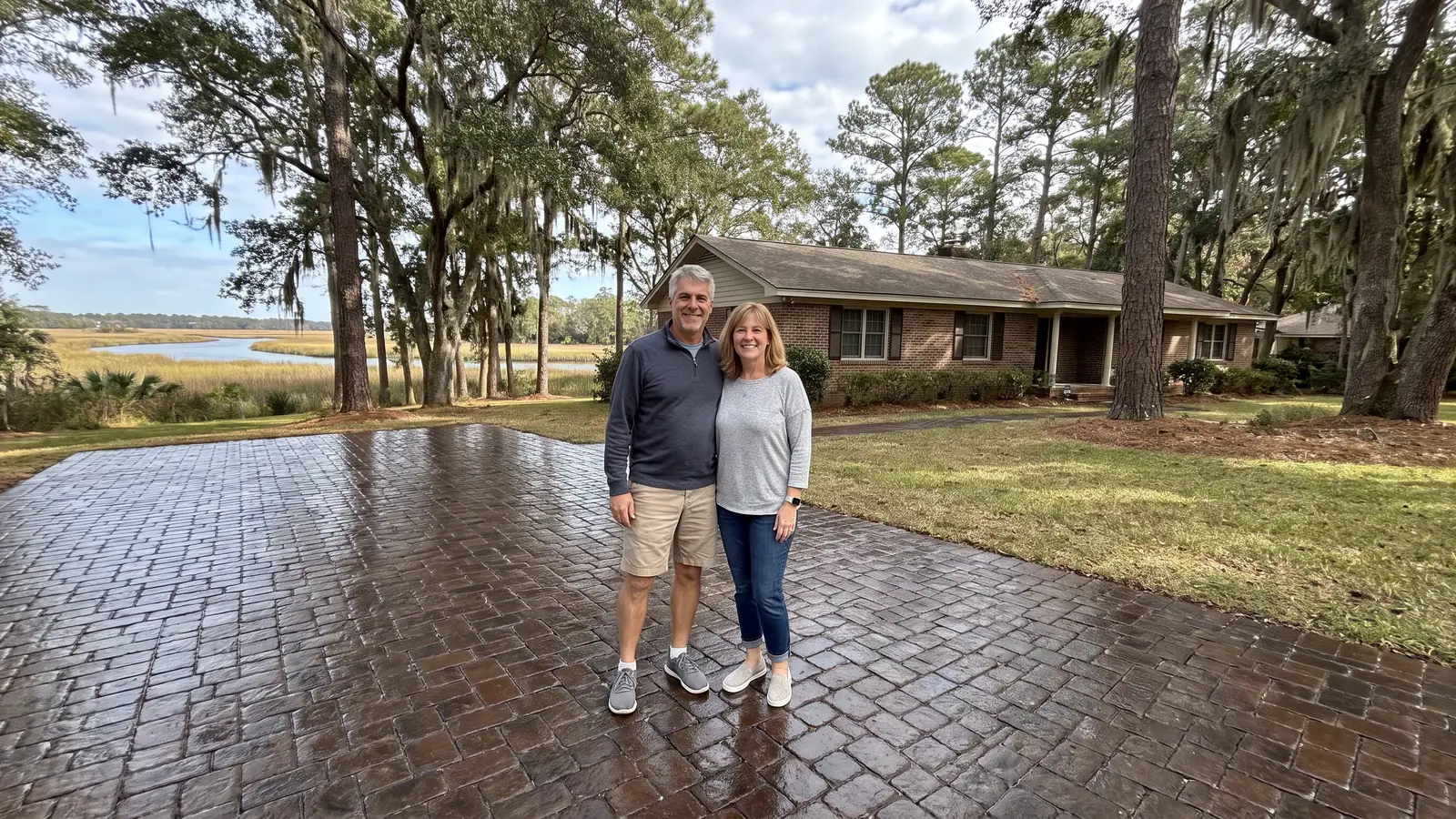
Paver sealing for San Pablo homes
Paver Sealing in San Pablo, FL
Between the Intracoastal marsh and the Mayo Clinic campus, San Pablo pavers need care; call (904) 637-8112 for a free estimate.
- Brings out deeper paver color
- Fresh joint sand helps lock pavers in place
- Gives weeds less room to grow
- Makes the surface easier to keep clean
- Free estimate, no obligation
Request a Free Estimate
Free, no obligation.
Fast, careful paver sealing in San Pablo
Paver sealing in San Pablo is available for houses, townhomes and gated communities, from Isle of Palms to the streets near the Mayo Clinic campus. A local contractor washes, re-sands and seals drives, walks and pool decks, and the estimate is free. Once your request goes in through book your free estimate, a reply follows within 1 business day, usually much sooner.
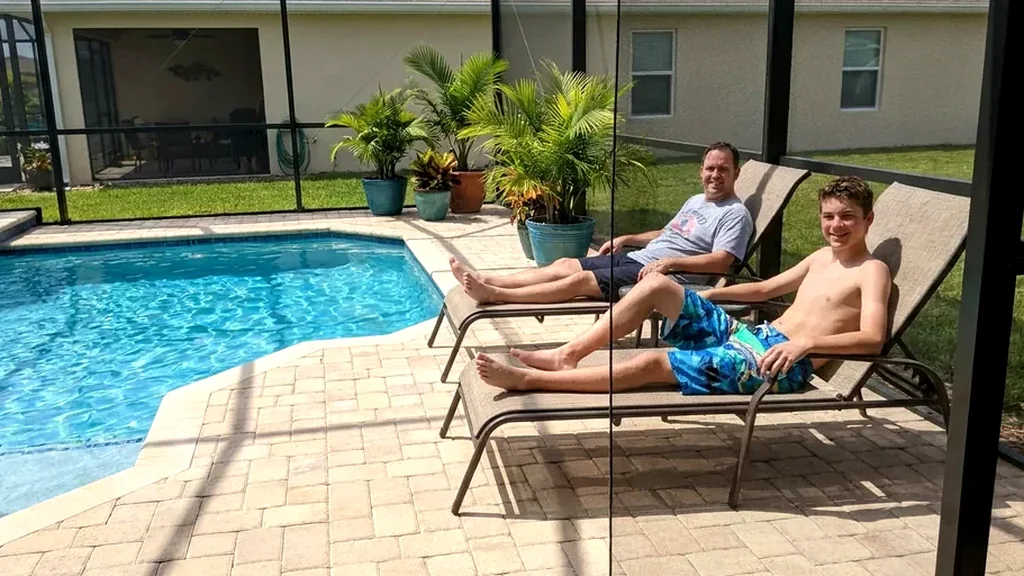
Picture a pool deck behind a townhome, with gray joints and color dulled by sun and marsh air. After a wash, new sand and a coat, the deck looks even again and the weeds are gone. Call (904) 637-8112 and say what you have, whether that is a drive, a lanai or a shared walk.
Why hire a local paver sealing contractor in San Pablo?
San Pablo mixes gated communities, townhomes and older single-family streets, so each job brings its own rules and surfaces. A local contractor who has seen all three can plan quickly, so book your free estimate to begin.
Rules checked early
Many Intracoastal West neighborhoods have HOA or CDD fees. Ask your board about exterior work before the date is set.
An estimate you can share
The free estimate can be handed to an association or a landlord, so approvals move faster. It lists each surface.
A range for comparison
Published prices around Northeast Florida run $1.75 to $3.25 a square foot for clean, sand and seal.
Your finish, your day
Pick matte or a wet look and a date you like. Rain can shift it, since sealer needs dry pavers.
Get Your Free Estimate in San Pablo
Tell us about your pavers in San Pablo.
Free, no obligation
What paver problems show up most in San Pablo?
Salt and damp air near the marsh
San Pablo sits west of the Intracoastal Waterway, and Castaway Island Preserve alone is 311 acres of salt marsh estuary. A paver maker explains that salt travels through the air as tiny particles and can crystallize on a surface as moisture dries, and that humidity helps surfaces hold moisture. Pavers closer to the water can show wear and film sooner. Washing and a protective coat slow that down. Companies commonly quote two to five years between coats, so a driveway close to the water may sit toward the shorter end of that span. The coat is only part of the answer, so a rinse after storms that blow in from the water is worth doing. Ask the contractor to look at the lowest, dampest edge first.
Shared walks and townhome courts
On San Pablo Road South alone, 23 of 35 homes are condos, townhomes or similar, according to county records. That means many pavers sit in courts, entries and walks that an association may own or oversee. A shared walk is usually sealed in one plan, with one product and one finish. Checking who owns the surface comes first. Some neighborhoods here have HOA fees, some have CDD fees and some have both, so the owner of a shared surface is not always obvious. A quick call to the association clears it up before the estimate. The estimate can name each shared surface so a board can approve it in one pass.
Older pavers and a coat nobody recorded
Most homes on that stretch of San Pablo Road South were built in the 1970s and 1980s. After several owners, no one may recall when the pavers went in or what was put on them. Water-based sealer cannot go over solvent-based sealer, so the contractor has to find out. Safe Touch says failed sealer is stripped first, not coated over. A coat that peels, flakes or looks cloudy is the usual sign that an older product is still on the surface. Many San Pablo Road South homes were built in the 1970s and 1980s, so several owners may have touched the same drive. Keep any receipt you find with the house papers.
Low edges near the water
A real estate guide to Intracoastal West says some properties closer to the Intracoastal or the marshes are in flood zones, while many others are not. If water has ever reached your drive or pool deck, the pavers can hold a film of silt. Sealer would lock that film in. It has to be washed off, and the surface fully dried, before the coat goes on. Heavy downpours can also push water over a low edge, so ask the contractor to check the lowest corner of the surface. A pool deck near a marsh edge deserves the same check.
Pool decks and drives that lose sand
Safe Touch says summer storms pull sand out of pool decks and driveways, and names these as the typical jobs around Queens Harbour. Rain here averages about 52 inches a year, most of it from May to September. Open joints invite weeds and ants. Refilled and sealed joints keep more of the sand in place. A pool deck under a screened lanai may also dry slowly, so the contractor checks it before the coat goes on. Open joints on a deck can also lose sand into the pool, so refilling them has a second benefit.
Do gated communities and townhome courts in San Pablo have special rules?
They can, because Intracoastal West neighborhoods differ. Some have HOA fees, some have CDD fees and some have both, so the rules depend on the community. Queens Harbour is guard-gated with golf and a private marina, and Tamaya is a newer gated neighborhood with Mediterranean-inspired homes. Ask your association whether exterior work needs notice, then book your free estimate.
County records for San Pablo Road South list 35 homes, with 12 single-family and 23 condos, townhomes or similar. Isle of Palms and Pine Harbour hold 16 of them, and most were built in the 1970s and 1980s. Shared walks and courts may belong to an association, so call (904) 637-8112 and tell the contractor who owns the surface you want done.
Holiday Harbor sits near Castaway Island Preserve, and Isle of Palms and Seven Pines Island have marsh and water views. Properties closer to the Intracoastal or the marshes may sit in flood zones, while many others do not. Tell the contractor if water has ever reached your drive or deck, and book your free estimate for a free look.
Safe Touch names pool decks and driveways in Queens Harbour among its typical Jacksonville jobs, and Queens Harbour is a guard-gated community with golf and a private marina. A guarded gate means the truck needs to be expected, so give the contractor a gate code or a contact name. A short note about access saves a delay on the day. When you book your free estimate, add that detail.
What does paver sealing cost in San Pablo?
Companies across Northeast Florida publish $1.75 to $3.25 per square foot for clean, sand and seal. A townhome patio or short entry walk is a small job, and small jobs cost more per foot. A wide drive at a single-family home brings the per-foot price down. To see where yours lands, book your free estimate.
Old sealer is the biggest swing, since failed coats are stripped first and not coated over. Pool decks and drives that have lost sand need more refilling. Gated entry, stairs or a long carry from the truck can add time, according to one Jacksonville company. Call (904) 637-8112 to describe your access and your surface.
| Paved area | Typical example | Clean, sand and seal |
|---|---|---|
| 300 sq ft | Small patio or walkway | $525 to $975 |
| 600 sq ft | Two car driveway | $1,050 to $1,950 |
| 1,000 sq ft | Large driveway or pool deck | $1,750 to $3,250 |
| 1,500 sq ft | Driveway plus pool deck | $2,625 to $4,875 |
Math based on the $1.75 to $3.25 per square foot that Northeast Florida paver companies published as of November 2026. Your contractor sets the actual price after seeing the surface. Repairs, leveling and stripping failed sealer are usually extra.
How does a paver sealing job work in San Pablo?
Confirm the rules and read the surface
First the contractor asks whether an association needs notice, then walks the pavers. Sunken or lifted spots are marked for repair. Any past coat is noted, since a water-based product will not bond over a solvent-based one. Share anything you remember about earlier work.
Wash off salt film and grime
Second comes the wash. It lifts the gray film that marsh air and storm water leave behind. Oil, rust and green growth are treated before the main pass. Rinse water is steered away from landscaping and from tile or stucco.
Replace the sand in every joint
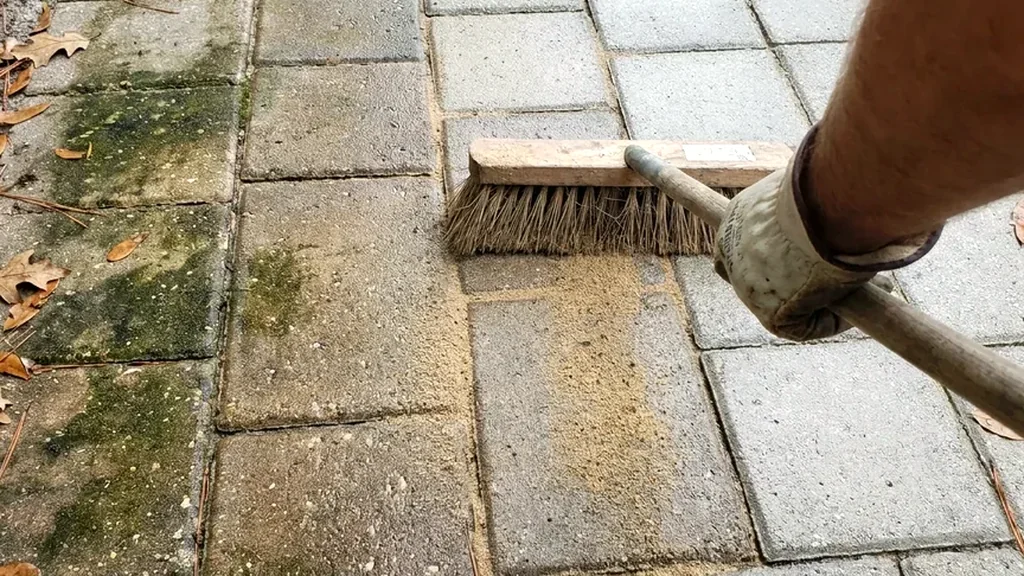
Third, each joint is refilled. Washing takes sand out, so new sand is swept in and the surface cleared. A joint packed to the top holds each paver steady and gives weeds little room. Pool decks and open drives tend to need the most.
Give damp air time to clear
Fourth is waiting. Damp coastal air can hold moisture in the joints after the top looks dry. The contractor checks and holds off if needed, because one Jacksonville company ties nearly every cloudy white finish to damp pavers or a thick coat. Shaded courts and screened lanai floors take longer.
Seal, cure and keep a record
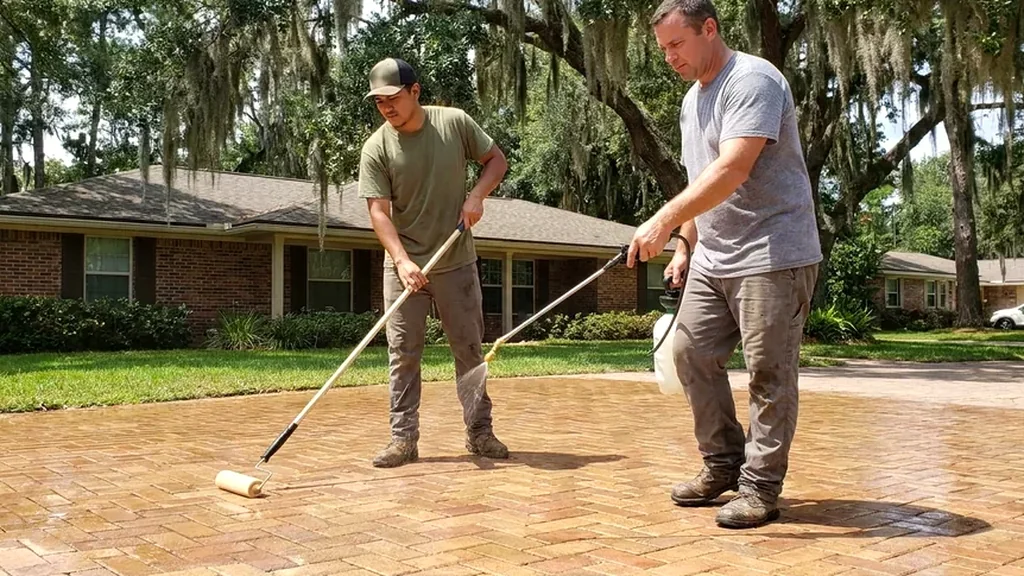
Last, the sealer goes down by sprayer and roller. Walking is usually fine in a few hours and cars need about a day, according to one Jacksonville company. Ask for the product and finish in writing for your records. Companies commonly quote a range of two to five years between coats.
Complete paver services in San Pablo
Four things happen in order at a San Pablo job. The contractor checks who must approve the work, washes the surface, refills the joints, and lets everything dry before sealing. Single-family drives usually wrap up in a day or two. Call (904) 637-8112 to ask how that plays out on your surface.
Surfaces differ around here. Drives collect oil, entry walks collect scuffs, lanai floors stay shaded, and pool decks take bare feet and splash. Courtyards at Mediterranean-style homes can mix all of these. Say which ones you want done when you book your free estimate.
Two choices shape the product: what is already on the pavers, and how you want them to look. Solvent-based sealer already on the surface rules out a water-based topcoat. A matte finish looks natural and hides scuffs, and a wet look deepens color. Ask for a small test patch of each when you book your free estimate.
Marsh air keeps pavers damp longer than you might expect, so the schedule bends to the weather. Storms run May through September, and sealer needs a dry surface. The contractor checks the joints before starting. Call (904) 637-8112 and ask what happens on a day that turns wet.
Questions to ask before you hire
- If my HOA has to approve the work, can you give me the sealer's product sheet?
- Does the sealer hold up to splashed pool water and chlorine?
- Can you seal the driveway and the pool deck on the same visit?
- Does your quote list the cleaning, the sand and the sealer as separate lines?
- How warm and dry does it need to be before you will start sealing?
- How can you tell whether the old sealer has to be stripped off first?
- Do I need to be home while you work, or can I leave the gate unlocked?
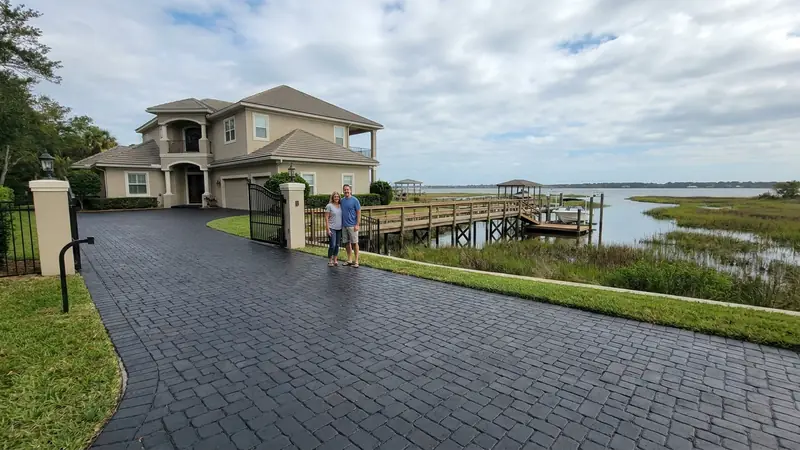
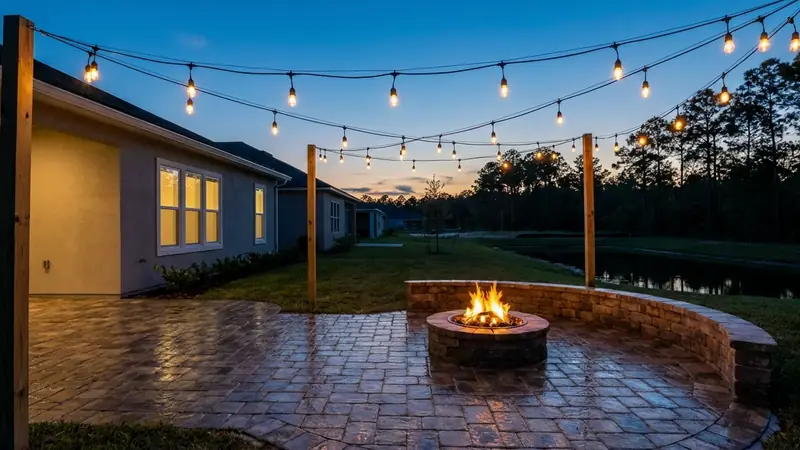
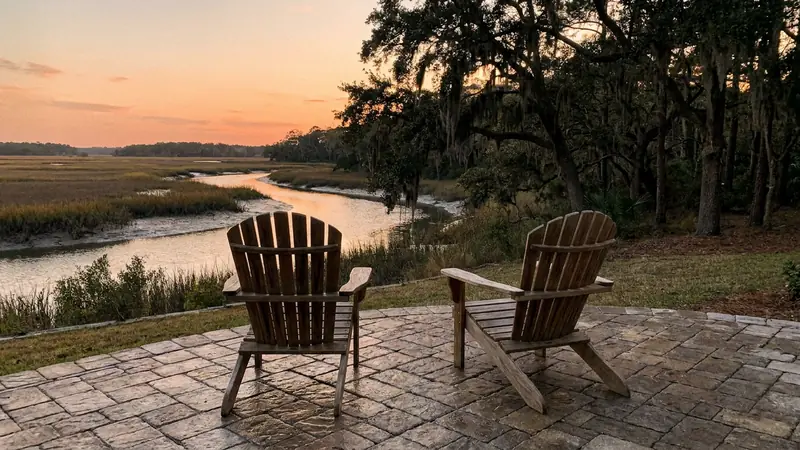
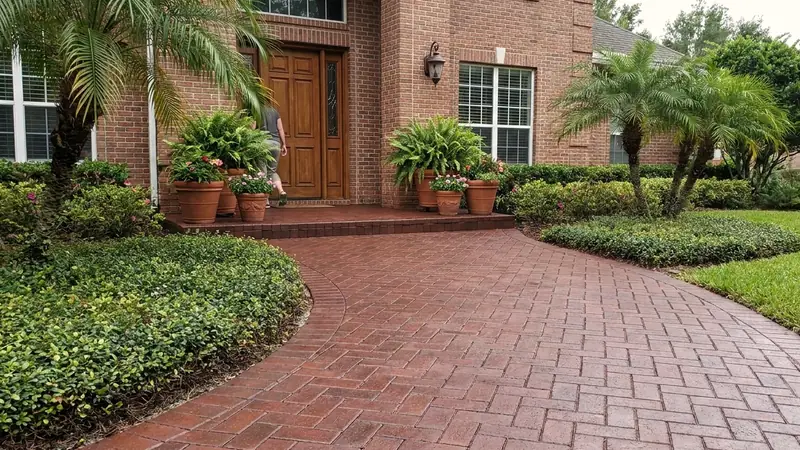
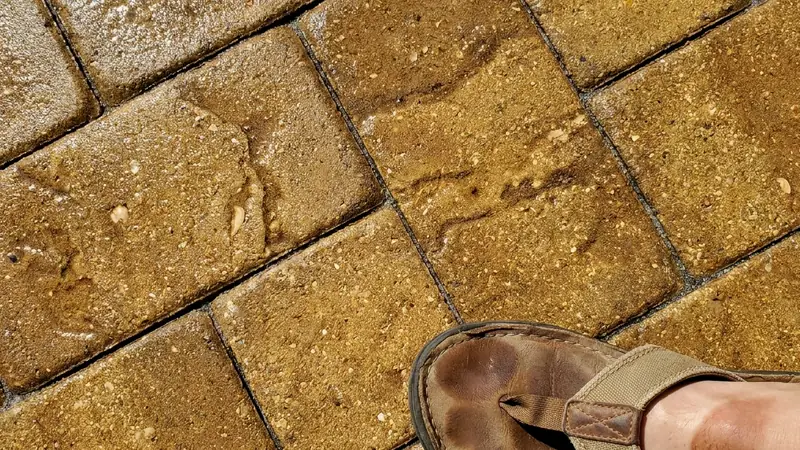
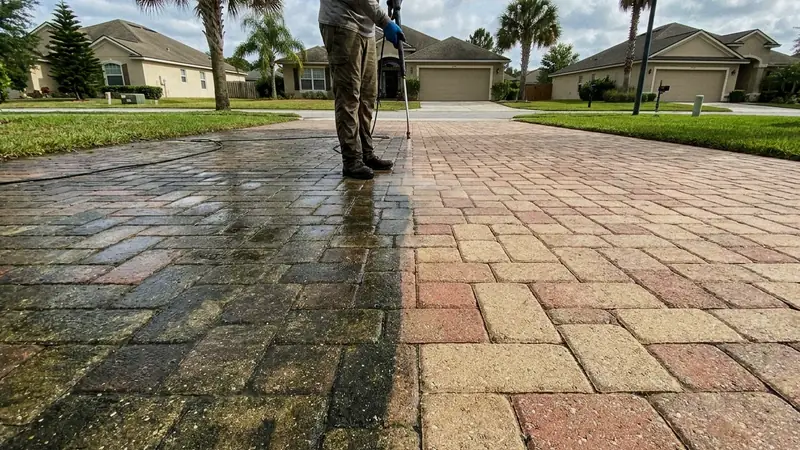
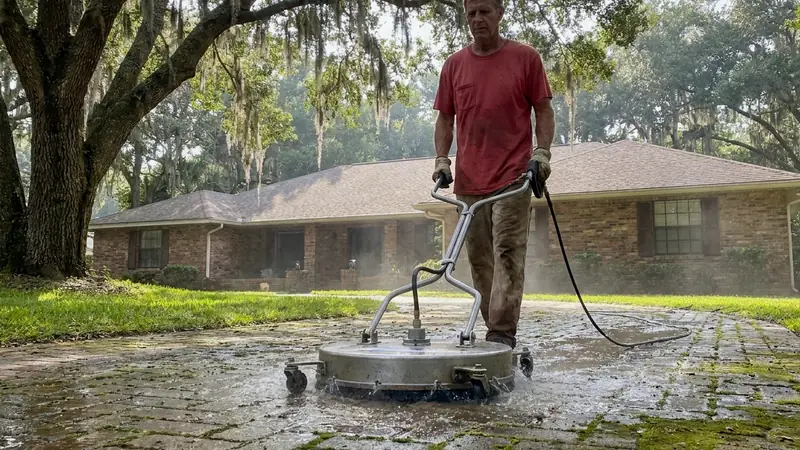
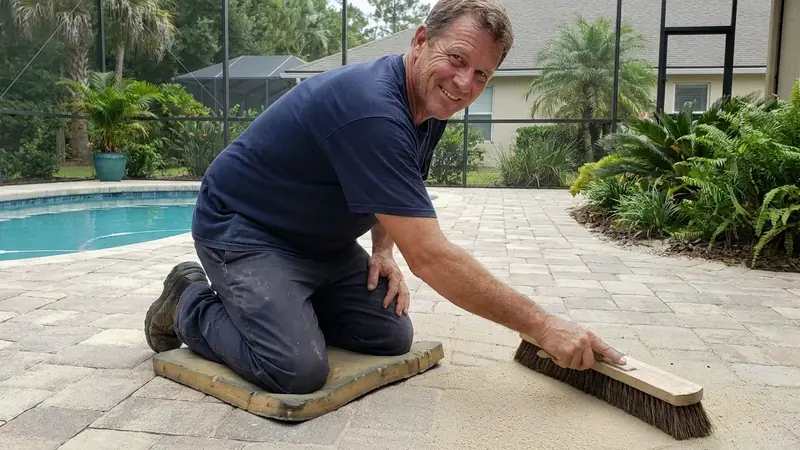
What do sealed pavers look like around San Pablo?
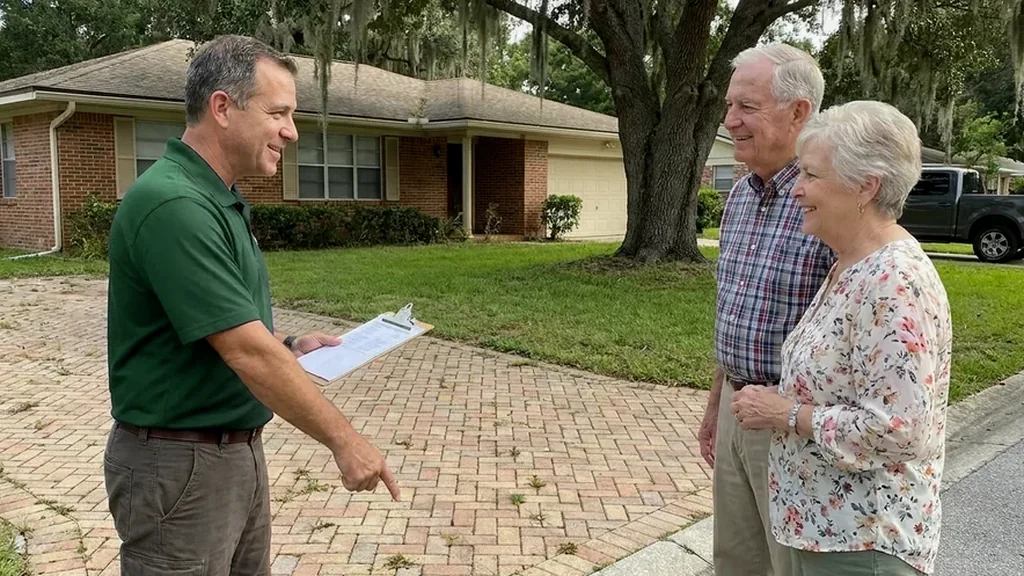
Why local matters in San Pablo
A contractor who works Intracoastal West knows that rules change from one gated community to the next, so the first question is who has to approve. That avoids a delay after the work is booked. A contractor from farther away may not think to ask. Call (904) 637-8112 to talk with a contractor who works the Intracoastal West side of town.
Local knowledge also covers the roads. San Pablo Road, Hodges Boulevard, Kernan Boulevard, Beach Boulevard and J. Turner Butler Boulevard all feed this area, so a nearby contractor can reach most streets without a long drive. Short travel keeps small jobs, like a townhome entry, worth booking, so book your free estimate and ask how soon the contractor can visit.
Salt air and marsh humidity are part of life here, and a local contractor plans for them as a matter of habit. That means a longer look at how dry the joints are before sealing, and a wash that gets the gray film off first. Those habits protect the finish. If your pavers sit close to the marsh, book your free estimate and mention it.
Gated entries and association offices shape how a job runs here. A local contractor builds in time for a gate check, a parking spot for the truck and a quiet start hour. Those small steps keep neighbors comfortable. If your community has quiet hours, book your free estimate and mention them.
Why does the water around San Pablo matter for pavers?
Because water shaped this whole area, starting in 1912. A 10-mile channel dug that year joined the San Pablo and Tolomato rivers and turned the Beaches into San Pablo Island, according to Wikipedia. San Pablo's streets sit on the mainland side of that water, which is why marsh and creek views are common. If your home is near the marsh, book your free estimate.
Mayo Clinic's campus covers 600 acres near San Pablo Road and JTB, and its outpatient center opened there on October 6, 1986. Castaway Island Preserve, 311 acres of salt marsh estuary, lies along the Intracoastal on San Pablo Road South. Homes from several decades sit between the two, so pavers here come in every age. Call (904) 637-8112 and name your street.
Five main roads feed this area, according to a local agent's guide: San Pablo Road, Hodges Boulevard, Kernan Boulevard, Beach Boulevard and JTB. The Brumos Collection, a car museum, sits just off San Pablo Road, and the St. Johns Town Center is minutes away. Homes between those roads span several decades, so pavers do too. Near any of these roads, book your free estimate for a free look.
Frequently Asked Questions
Why is paver sealing so expensive in San Pablo?
The bulk of the cost is labor and prep work. The contractor washes, refills the joints, waits for dry pavers and then seals, and setup time is spread across the whole job. A townhome entry costs more per foot than a wide drive. Published prices run $1.75 to $3.25 per square foot across Northeast Florida.
How long does paver sealing last in San Pablo?
Companies commonly quote a range of two to five years between coats. Pavers near the marsh and drives with daily traffic sit toward the shorter end. One Jacksonville company's quick test: water that beads means the coat is working, and water that soaks in means it is time for another.
How much does it cost to re-sand and seal pavers in San Pablo?
Plan on $1.75 to $3.25 per square foot to clean, sand and seal, the range companies across Northeast Florida publish. Re-sanding is included, since washing pulls sand out. Failed old sealer or a long carry from the truck can raise the quote.
What do professionals use to seal pavers in San Pablo?
Professionals use water-based or solvent-based sealer, and the coat already there decides which can go on. One Jacksonville company says crews typically spray the sealer and back-roll it so it reaches the joints. Before work begins, ask which product and finish will be used.
Should the contractor sand my San Pablo pavers before sealing?
Yes. Joints are refilled before the coat, since washing removes sand and sealer then locks the new sand in. Skipping it leaves open joints that invite weeds and ants.
Does my San Pablo townhome association need to approve sealing?
That depends on the community. Some Intracoastal West neighborhoods have HOA fees, some CDD fees and some both, and rules vary. Ask your association before you book, and use the written estimate to show them. Many boards want the product, the finish and the dates.
Does salt air near the Intracoastal hurt pavers?
Over time it can add wear. A paver maker says salt travels as tiny airborne particles and can crystallize as moisture dries, and humidity helps surfaces hold moisture. Washing off the film and keeping a sound coat on slows it down.
Can pool deck pavers in San Pablo be sealed?
Yes, pool decks are typical jobs here. Summer storms pull sand out of them, so joints are refilled first. The deck has to be dry, and you will be told how long to keep people off. Chairs and tables are moved off the deck before the wash.
Ready for a Free Estimate in San Pablo?
Call (904) 637-8112 and tell us about your pavers.
Free, no obligation