
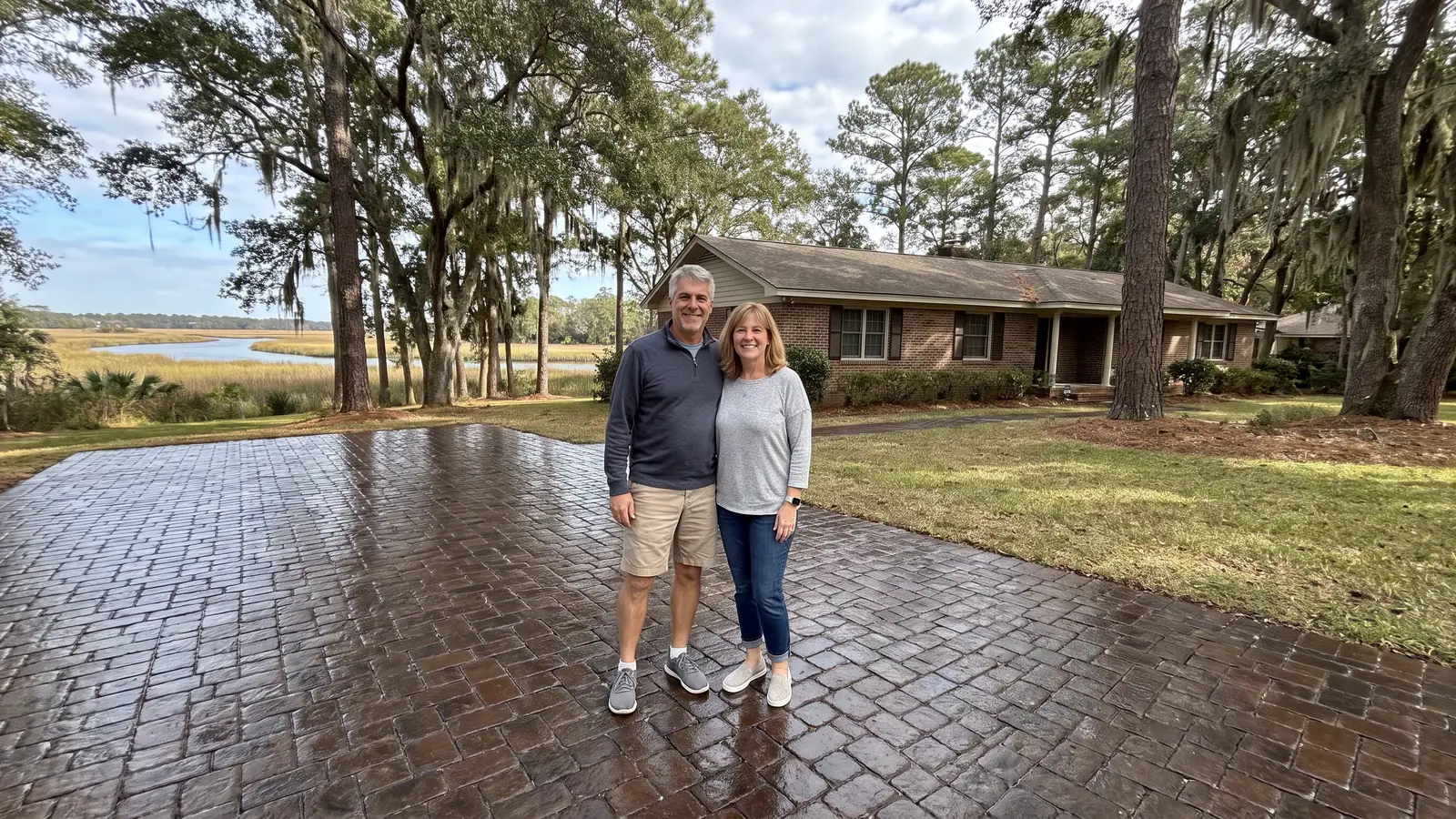
Paver sealing for Highlands homes
Paver Sealing in Highlands, FL
Highlands homes go back to 1946, so pavers may hold old coats; call (904) 637-8112 for a free estimate.
- Brings out deeper paver color
- Fresh joint sand helps lock pavers in place
- Gives weeds less room to grow
- Makes the surface easier to keep clean
- Free estimate, no obligation
Request a Free Estimate
Free, no obligation.
Fast, careful paver sealing in Highlands
Highlands homeowners who want paver sealing can start with a free estimate on drives, walks and patios across the north side. A local contractor handles the stain treatment, the wash, the sand and the coat. Call (904) 637-8112. A reply should come within 1 business day, usually much sooner.
Say the drive you pull into every night has gone gray, with rust freckles from the sprinklers and a weed or two in the joints. A wash, fresh sand and a new coat can bring it back to one even color. When you want to talk it over, book your free estimate and tell the contractor which pavers you mean.
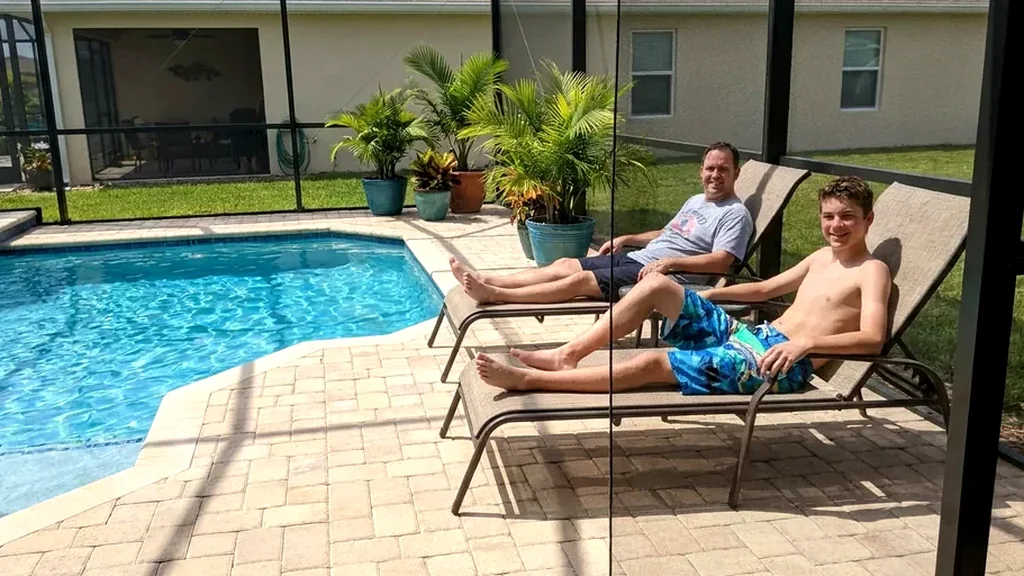
Why hire a local paver sealing contractor in Highlands?
Highlands homes were built from 1946 on, so pavers here have had plenty of time to collect stains and old coats. A local contractor knows to look for both, and you can book your free estimate to hear how.
A free walk-around
A written number follows a free walk around the drive and walks. You decide afterward.
A fair range to test
Published prices in the region span $1.75 to $3.25 a square foot for the full job. Use that to check any Highlands bid.
Stains treated first
Rust and oil spots get pre-treated before sealing, since sealer locks in whatever is on the surface. That means cleaner results under the coat.
Your date, your finish
You pick the finish and the day. A Highlands estimate carries no obligation.
Get Your Free Estimate in Highlands
Tell us about your pavers in Highlands.
Free, no obligation
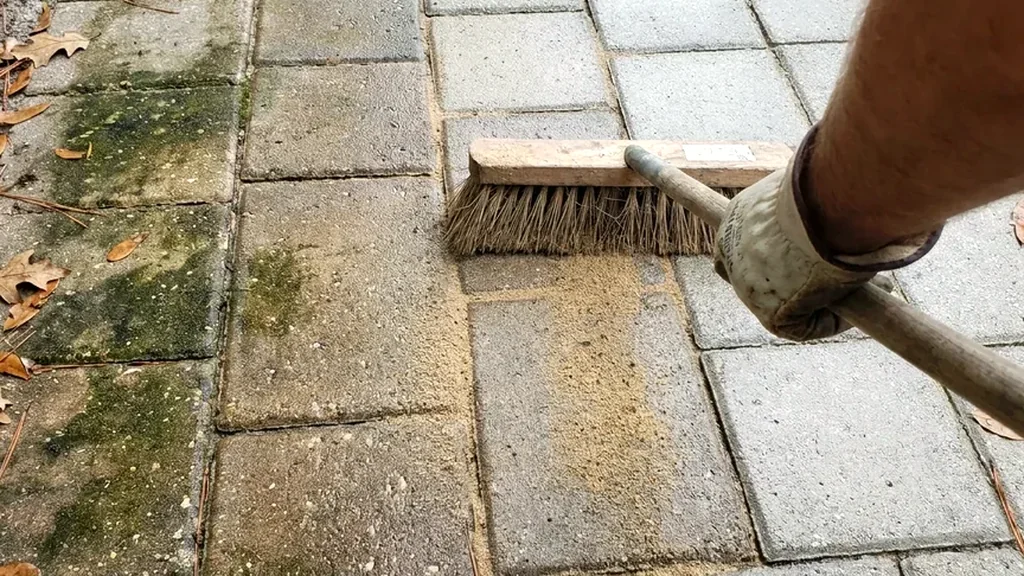
What paver problems show up most in Highlands?
Rust freckles from irrigation
University of Florida extension says most Florida well water is high in iron, and that irrigating with it can leave orange stains. A Jacksonville sealing company also lists rust from irrigation water among the things driveways collect. If your Highlands sprinklers run off a well, look for orange lines where the spray lands. Those marks are treated before the coat, since sealer would lock them in. Turning the heads away from the pavers helps keep new marks from forming. A wash and a pre-treatment can lift most of them before the coat goes on. A sprinkler that sprays across the drive is the usual culprit, and a small adjustment can help.
Sand in the ground, sand in the joints
The USDA describes the Mandarin soil series, set up in Duval County, as somewhat poorly drained fine sand with a seasonal water table 18 to 42 inches down. Jacksonville also gets about 52 inches of rain a year, mostly from May to September. Another Jacksonville company says unsealed joints lose sand to summer downpours. Once joints open, soil moves in and weeds come with it. If the joints near your garage look low, that is the first sign. Sealer helps hold the sand in place once the joints are full again. Ground that drains slowly can also keep the base under pavers damp.
Tires on a long drive
A Jacksonville company explains that heavy cars and turning tires shake joint sand loose, which lets pavers shift and settle. On a drive, the apron where the car turns takes the worst of it, and the edge by the street often shows it first. Washing removes what sand is left, so new sand goes in before sealing. If your drive has gone wavy near the curb, mention it on the first call. Ask the contractor to check the apron and the curb edge first.
Edges that drift apart
A paver maker says pavers drifting apart usually point to missing edge restraints, which leave gaps and a tripping hazard. A weak base can also let pavers sink or shift. Along a long Highlands drive, the edge by the lawn is where this tends to show. Sealing would hold the gaps in place, so edges are reset first. Ask the contractor to check the lawn side and the curb side.
Sun that fades bare pavers
The July daily high in Jacksonville averages about 92 degrees. A Jacksonville paver company says the sun fades unsealed concrete pavers, and puts full-sun driveways at about 18 to 24 months between reseals. A drive with no shade is the first to dull. Sealer can also bring out surface color, which means a fresh coat can lift a faded drive.
Which part of Highlands should I name when I ask for a paver quote?
Name your nearest cross street, since Highlands has no hard boundary. Wikipedia notes there is no consistent definition of the Northside, and the whole area joined the city in the 1968 consolidation. The ZIP code that holds Highlands covers about 97 square miles of land and 28,729 housing units. Give the contractor your street when you book your free estimate.
A neighborhood page counts 435 single-family homes built from 1946 to 2022, so a single block can hold pavers of many ages. About 67 percent of occupied homes in the ZIP are owner-occupied. Newer homes may have pavers that are still new, and older ones may have an unknown coat. Call (904) 637-8112 and say roughly when your house was built.
Landmarks help too. Ray Greene Park is at 2149 Leonid Road, Highlands Regional Library is at 1826 Dunn Avenue, and the Jacksonville Zoo sits at the mouth of the Trout River. Streets near the zoo and the river may stay wetter after storms. Tell the contractor which landmark is closest, and book your free estimate.
What does paver sealing cost in Highlands?
A Highlands quote falls inside the published span, $1.75 to $3.25 a square foot for stain treatment, wash, sand and coat. Rust staining, lost joint sand and a failed old coat move a lot toward the top. A clean, sound drive sits lower. book your free estimate for a number that fits your lot.
Job size changes the math. A short front walk costs more per square foot than a long drive, since the prep work stays about the same. Ask for the square footage in writing and compare bids on that basis. For a read on the pavers at your address, call (904) 637-8112.
| Paved area | Typical example | Clean, sand and seal |
|---|---|---|
| 300 sq ft | Small patio or walkway | $525 to $975 |
| 600 sq ft | Two car driveway | $1,050 to $1,950 |
| 1,000 sq ft | Large driveway or pool deck | $1,750 to $3,250 |
| 1,500 sq ft | Driveway plus pool deck | $2,625 to $4,875 |
Math based on the $1.75 to $3.25 per square foot that Northeast Florida paver companies published as of November 2026. Your contractor sets the actual price after seeing the surface. Repairs, leveling and stripping failed sealer are usually extra.
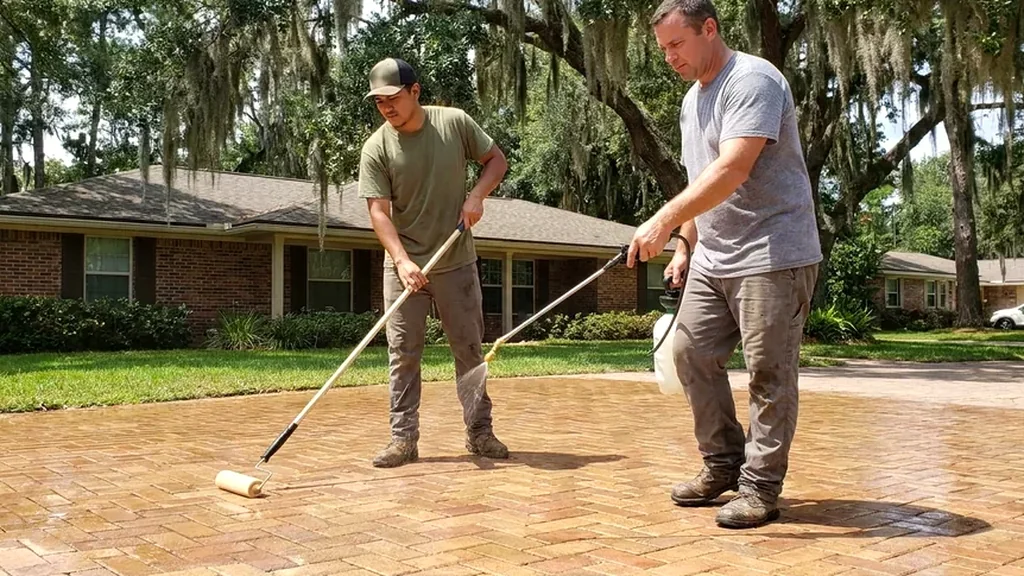
How does a paver sealing job work in Highlands?
Check the surface and the sprinklers
The contractor checks where your Highlands sprinklers spray, where tires turn and where water stands. Raised or sunken pavers are flagged for repair. If a past owner sealed the surface, the type of product matters, because oil-based coats must be stripped and water-based sealer will not bond over solvent-based. Say whether your yard runs on well water. A look at the garage apron tells the contractor a lot about how the drive has aged.
Treat the rust, then wash
Rust and oil marks are treated before anything else, and then the surface is washed. The wash pressure is kept moderate, because a hard blast can scar concrete pavers. Rinse water is kept off the house wall. Washing also pulls out the joint sand.
Put new sand into the joints
Fresh sand is swept into every joint, which helps hold the pavers in place. Sandy ground means open joints let soil in and weeds follow, and a full joint helps the coat bond across the surface. If the sand was low for a long time, expect this step to run longer. Ask about the sand color, so the new joints match the pavers around them.
Let the pavers dry
Sealer needs a dry surface, and rain here peaks between May and September. Ground that drains slowly can keep pavers damp after a storm. The contractor checks the forecast and moves the job rather than seal over moisture. November through April is the driest stretch.
Spray, roll and set the wait
Sealer is sprayed and then rolled so it reaches the joints. One company asks for 2 to 4 hours before foot traffic and 24 hours before cars. Another puts driveways nearer three years between coats and shaded walks nearer five. Ask where your lot falls in that range.
Complete paver services in Highlands
Highlands work starts with stain treatment, then a wash, new sand, a dry wait and the coat. Rust goes first, and the wash lifts the rest. Sand goes into the joints so nothing dirty is sealed under the coat. Call (904) 637-8112 to ask how long each stage takes on your drive.
Highlands drives pick up tire marks and sprinkler overspray. Front walks and side yards can stay damp in shade, which is where green film starts. A back patio by a fence or a pool may call for extra care. The contractor sizes up each one, so name yours when you book your free estimate.
Film sealers sit on the surface in matte or wet look, and penetrating ones soak in and leave the look unchanged. What is on your pavers now limits whether water-based or solvent-based can follow. Wet look shows scuffs sooner than matte. Call (904) 637-8112 to work out which finish suits your Highlands home.
Summer storms set the schedule, since the July daily high averages about 92 degrees and rain comes in brief, intense bursts. November through April is the drier window. A day that looks dry can still leave low spots wet, so a date can slide. book your free estimate to find a date that fits your street.
Questions to ask before you hire
- How warm and dry does it need to be before you will start sealing?
- If my HOA has to approve the work, can you give me the sealer's product sheet?
- Does your quote list the cleaning, the sand and the sealer as separate lines?
- Who will do the work at my house, you or a crew you hire?
- Will you look at my pavers in person before you give me a price?
- Do I need to be home while you work, or can I leave the gate unlocked?
- Can you reset the pavers that tree roots have pushed up?
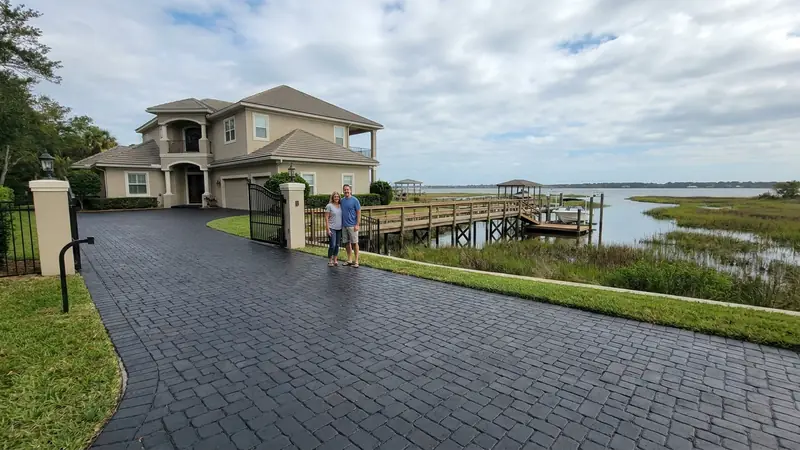
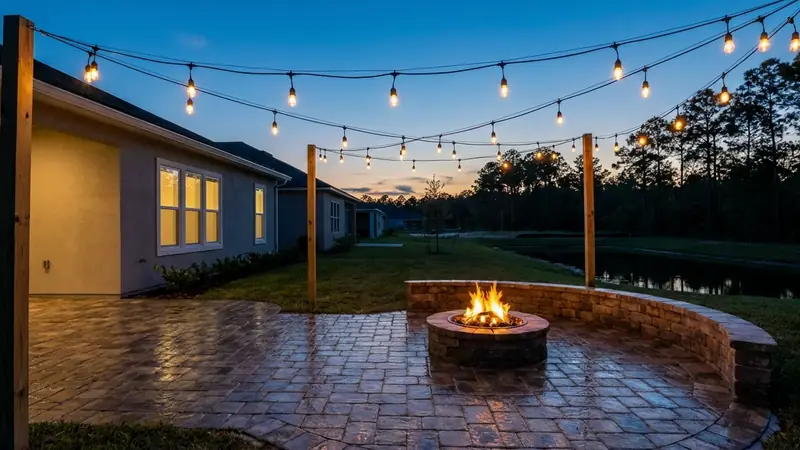
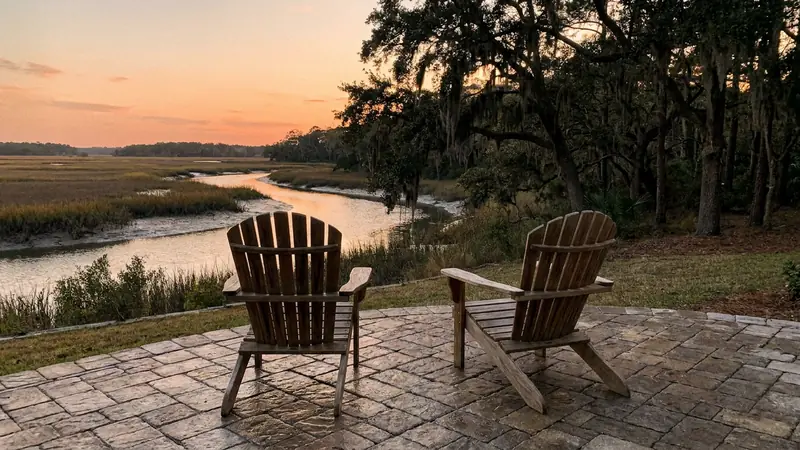
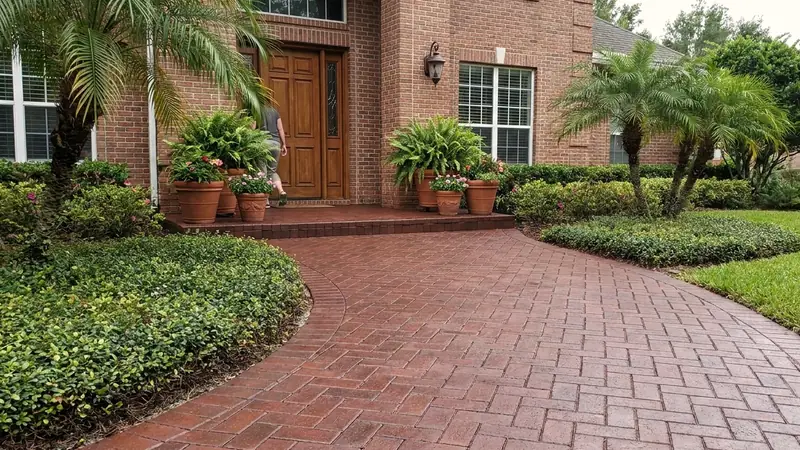
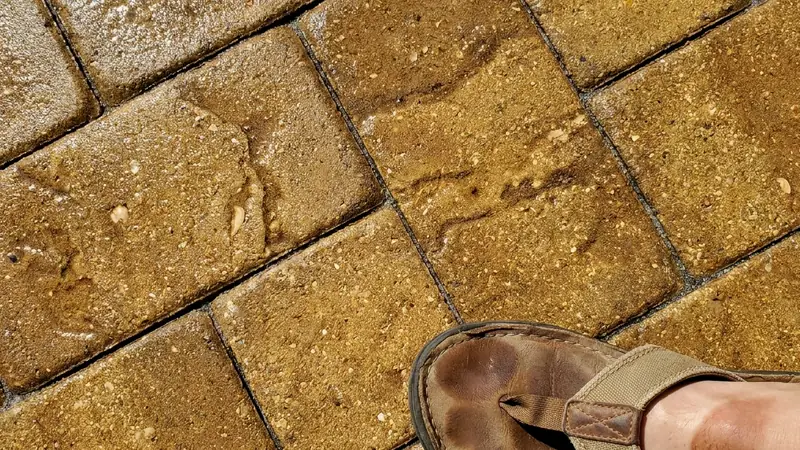
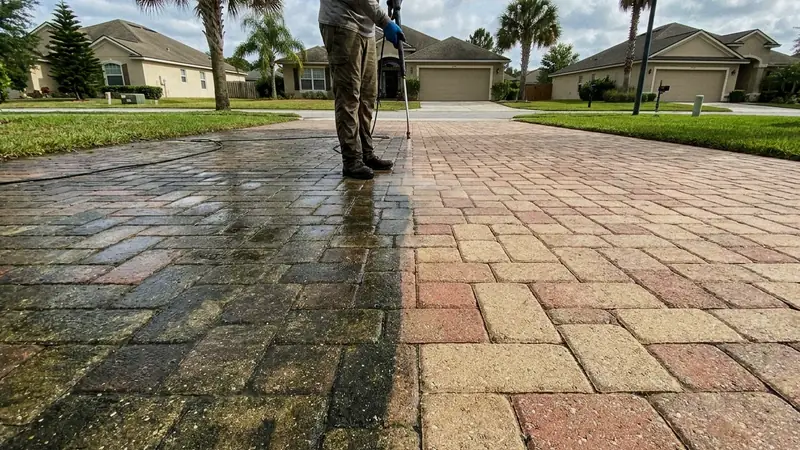
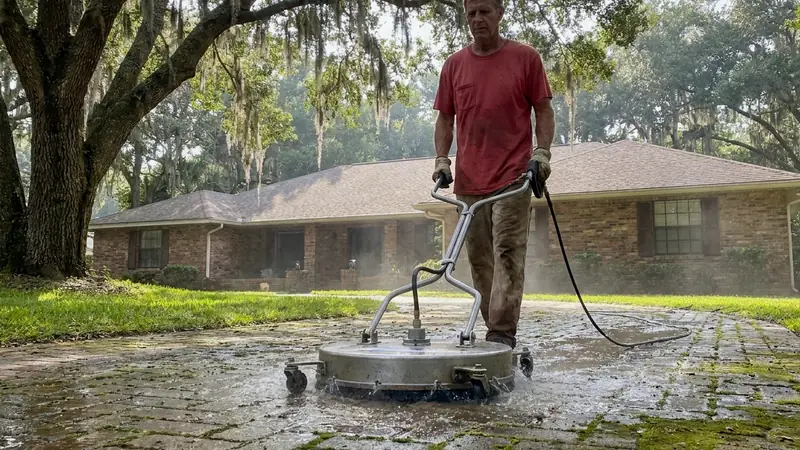
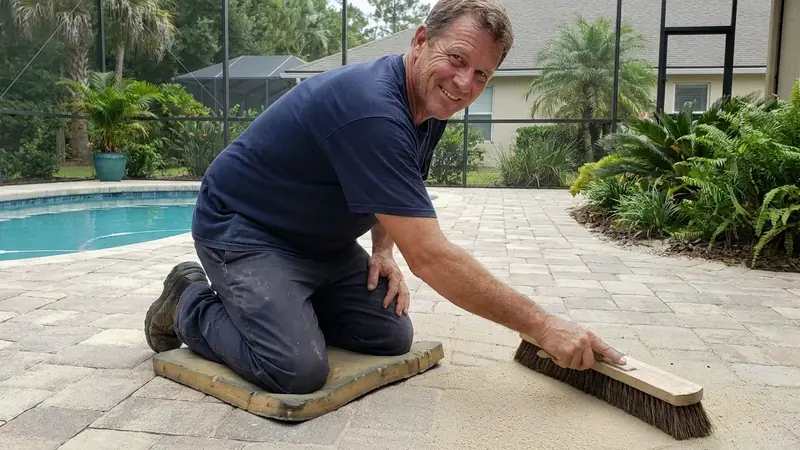
What do sealed pavers look like around Highlands?
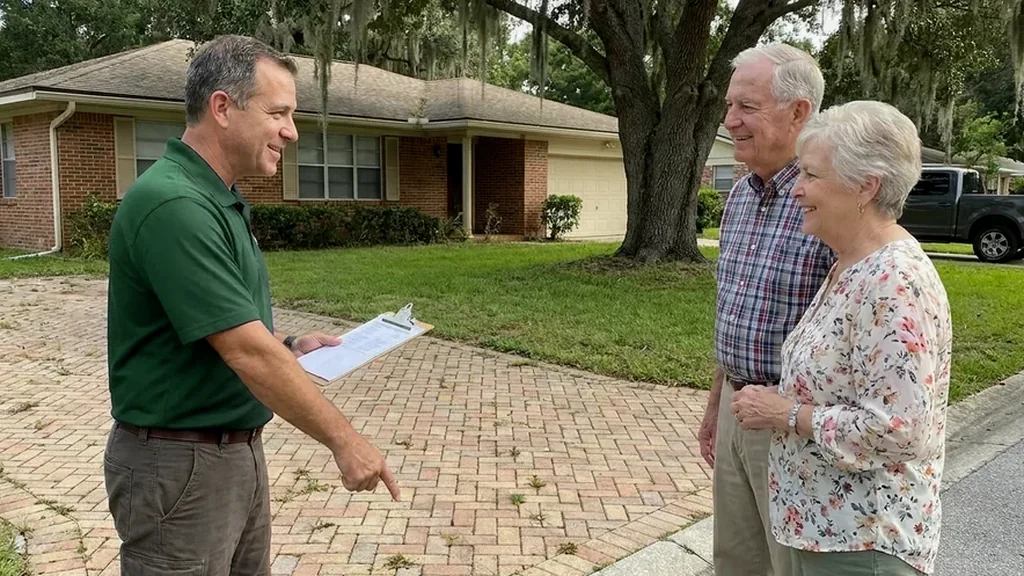
Why local matters in Highlands
A contractor who works Highlands asks about irrigation first, since well water is a common source of rust. They also ask how long you have owned the house and who sealed the pavers last. That history decides the cleaning plan. To reach a contractor who works up here, call (904) 637-8112.
Local knowledge covers timing too. Summer storms here arrive in short, heavy bursts, and low spots can hold water after they pass. A contractor who knows the area watches the clouds as well as the calendar. If you want to hear how that would work, book your free estimate and mention your street.
The age range helps as well, with homes built from 1946 to 2022 sitting side by side. Pavers laid in one decade may sit on a different base than pavers laid in another. A local contractor plans extra time to find out what is under the surface. book your free estimate and note when you bought your house, with no obligation to hire anyone.
Highlands sits inside a ZIP code that covers about 97 square miles of land and holds 28,729 housing units. A contractor who knows the area asks which end you are on before booking a date. That saves a wasted trip. If you are unsure how to describe your street, book your free estimate and name the nearest park or library.
What Highlands landmarks help a contractor find my street?
Ray Greene Park is a good one, at 2149 Leonid Road. It opened in 1957 and grew to about four times its size when 30 acres were added in 1976 and 1977. The park honors Ray Greene Sr., a county commissioner from 1934 to 1962. If you live near it, book your free estimate.
Highlands Regional Library on Dunn Avenue finished work on its 6,600 square foot children's room on March 12, 2022. The Jacksonville Zoo moved to the mouth of the Trout River on July 19, 1925, and the airport opened on September 1, 1968, along Lem Turner Road. Any of these gives a quick way to place your street on the map. Call (904) 637-8112 and name the landmark nearest your home.
Two large neighbors mark the edges of the area. The Jacksonville Zoo covers 122 acres at 370 Zoo Parkway, and the airport covers 7,911 acres about 13 miles north of downtown. Roads like Dunn Avenue and Lem Turner Road connect them to the neighborhoods between. If your street is near either one, book your free estimate and tell the contractor which.
Frequently Asked Questions
How much does it cost to re-sand and seal pavers in Highlands?
Prices published in the region span $1.75 to $3.25 for each square foot cleaned, sanded and sealed. Rust stains, lost sand or a failed old coat push a Highlands job higher. Have the quote show the square footage so you can compare bids. Nothing replaces a visit to your drive for a firm number.
Why is paver sealing so expensive in Highlands?
Prep eats most of the budget. Treating rust, washing, resetting sunken spots, refilling joints and finding a rain-free window all come ahead of the coat. Small projects run higher per square foot, because prep time does not shrink with the area.
How long does paver sealing last in Highlands?
Expect two to five years between coats. One Jacksonville company puts driveways nearer three years and shaded walks nearer five. Beading water on the surface is a sign the coat still works. Highlands driveways that take daily tires may need the earlier end of that range.
What is a good thing to use to clean pavers in Highlands before sealing?
Cleaning is the first stage of a sealing job, and the contractor picks the method. Rust and oil are pre-treated, and the wash is matched to your pavers so the surface is not scarred. Washing removes joint sand, so new sand goes in before the coat.
Will sealing remove rust stains from my Highlands pavers?
No. Stains are treated before sealing, because sealer locks in whatever is on the surface. If your sprinklers run off well water, rust can return where the spray lands. The contractor can point out which heads reach the pavers. Moving a sprinkler head is usually a small fix that protects the new coat. If an orange stain returns, a sprinkler head may be the cause.
Can new sealer go over an old coat on Highlands pavers?
Not always. A water-based product will not bond to a solvent-based one, and oil-based coats come off before anything new goes on. The contractor identifies what is there before choosing a product. Any receipt or product name from a past owner helps.
How soon can I park on sealed pavers in Highlands?
A Jacksonville company says feet can go on after 2 to 4 hours, and cars need 24. Another says foot traffic is usually fine within a few hours but vehicles need longer. Ask the contractor for the wait that fits your product. Keep sprinklers off the area until then.
Do Highlands pavers need new sand before sealing?
Yes. Washing pulls out the old joint sand, so fresh sand goes in before any sealer. Low joints let soil in and give weeds a place to start, and summer downpours can flush sand from unsealed joints. Ask that the sand step be listed in your quote.
Will the sun fade my Highlands pavers if I leave them unsealed?
It can. A Jacksonville paver company says the sun fades unsealed concrete pavers, and that full-sun driveways go about 18 to 24 months between reseals. Shaded walks last longer, about 24 to 36 months. Ask the contractor how much sun your drive gets.
Is sealing worth it on an older Highlands driveway?
Often, if the pavers are sound. Homes here go back to 1946, so your pavers may have been added long after the house. Sealer can bring out surface color and, with full joints, gives weeds less room. If edges have drifted or sunk, repairs come first.
Nearby areas we serve
Ready for a Free Estimate in Highlands?
Call (904) 637-8112 and tell us about your pavers.
Free, no obligation